

MIKAEL GENBERG
b. 1963, Sweden — Swedish conceptual artist working with displacement, site and the symbolic image of home.
Genberg’s practice spans more than three decades and centres on the relocation of familiar domestic structures into unfamiliar environments.
His works include Hotell Hackspett (1998), situated high within an oak tree; Utter Inn (2000), a submerged dwelling in Lake Mälaren; the STS-128 orbital artefact carried into Earth orbit in 2009; and The Moonhouse, permanently situated on the lunar surface in Mare Frigoris in 2025.
Originally associated with Galleri Magnus Karlsson in Stockholm during the 1990s, Genberg gradually developed an independent practice extending beyond conventional exhibition contexts.
In conversation with the artist regarding the early Moonhouse proposal, Moderna Museet director Björn Springfeldt remarked: “This idea is bigger than the art world.”
The statement remained formative in the continued development of the work.
The Practice
For more than three decades, Mikael Genberg has worked with the displacement of domestic structures into unfamiliar environments.
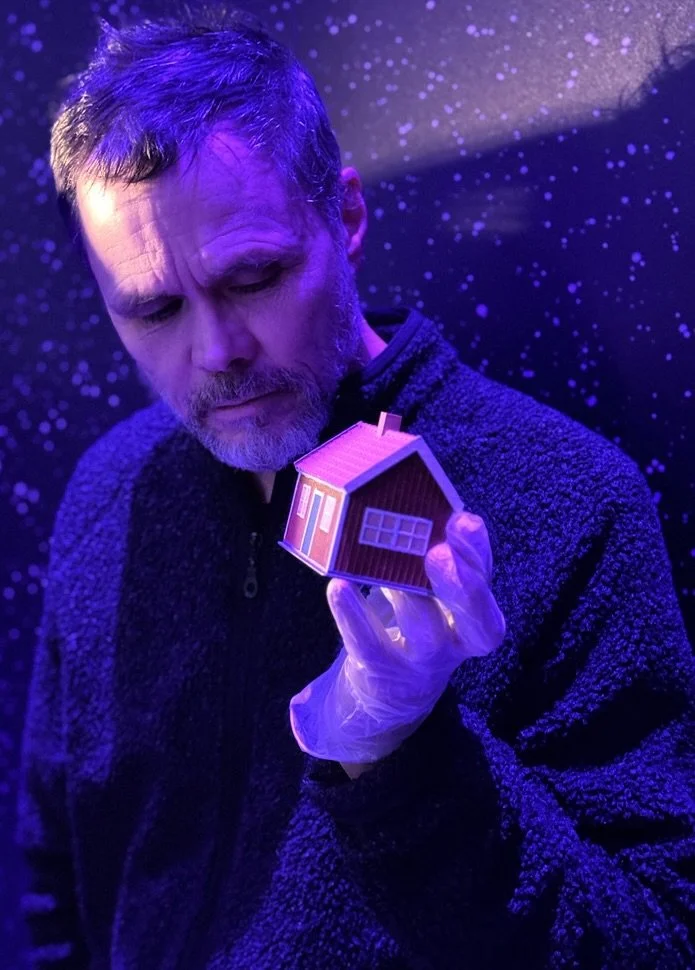
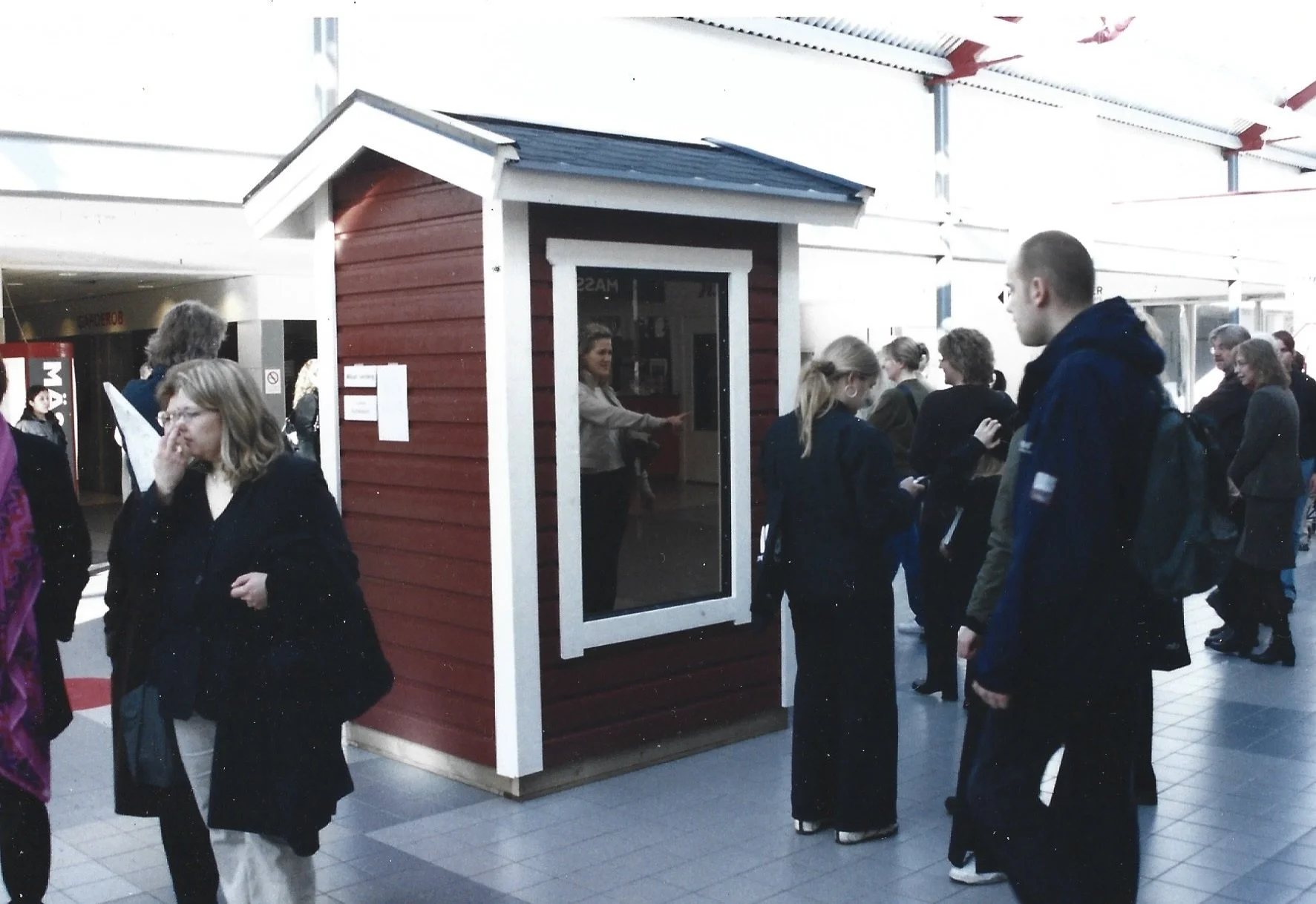
The recurring image of the small red Swedish cottage functions as both symbol and physical object throughout the practice.
Works include Hotell Hackspett (1998), situated high within an oak tree; Utter Inn (2000), a submerged dwelling in Lake Mälaren; and the STS-128 artefact transported into Earth orbit in 2009.
Each work is developed specifically for its site and exists through its physical placement, documentation and long-term relationship to location.
Developed independently over extended periods of time, the works occupy a position between conceptual art, site-specific installation and environmental intervention.
The Moonhouse extends this practice beyond Earth.
Selected Works
Mikael Genberg’s practice centres on the repeated relocation of the archetypal Swedish red cottage into unfamiliar environments and site-specific contexts.
Selected works from the ongoing series include:


Hotell Hackspett (1998)

Utter Inn (2000)
STS-128 Artefact (2009)
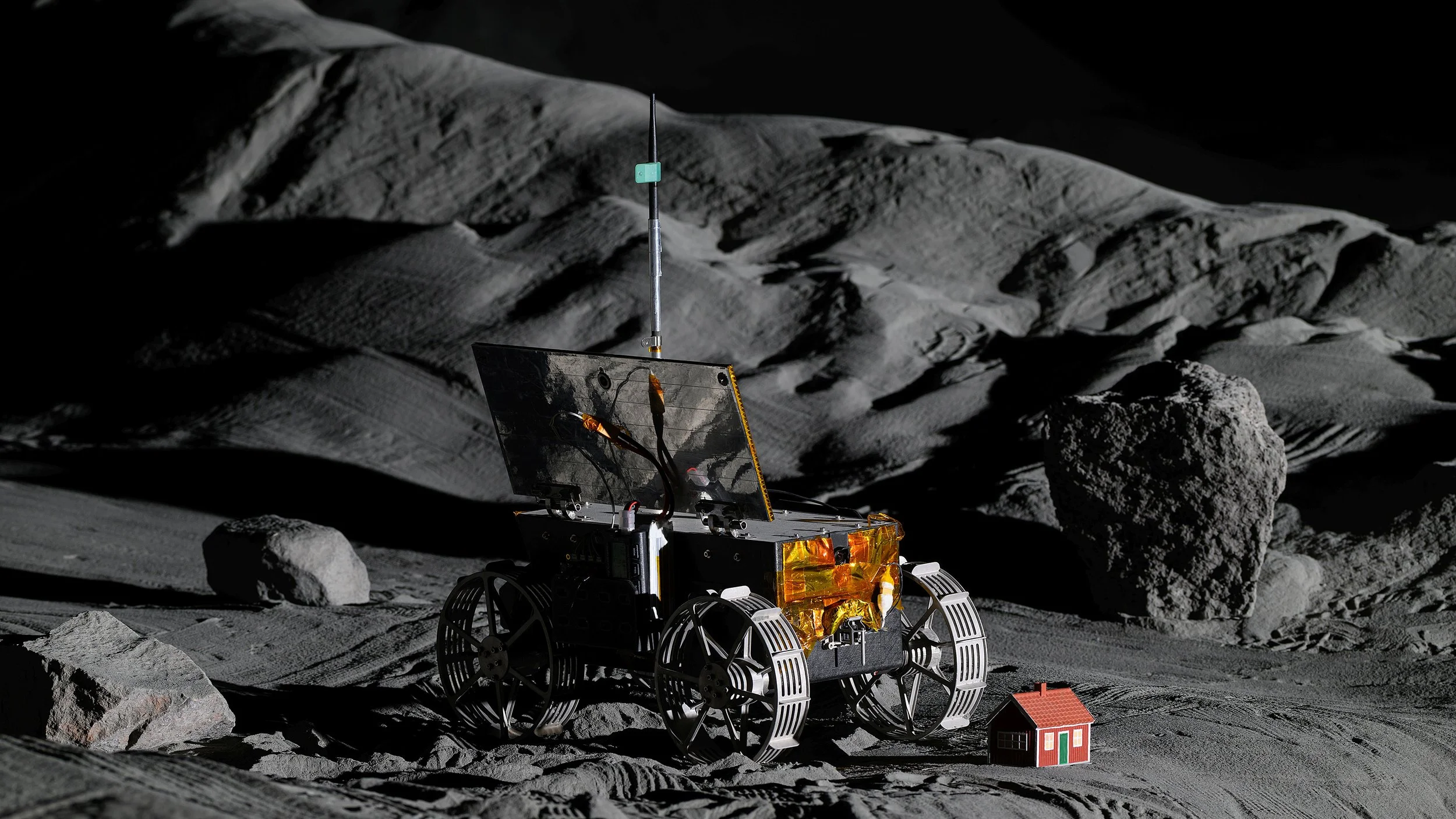
The Moonhouse (2025)
Globe Arena (2008)
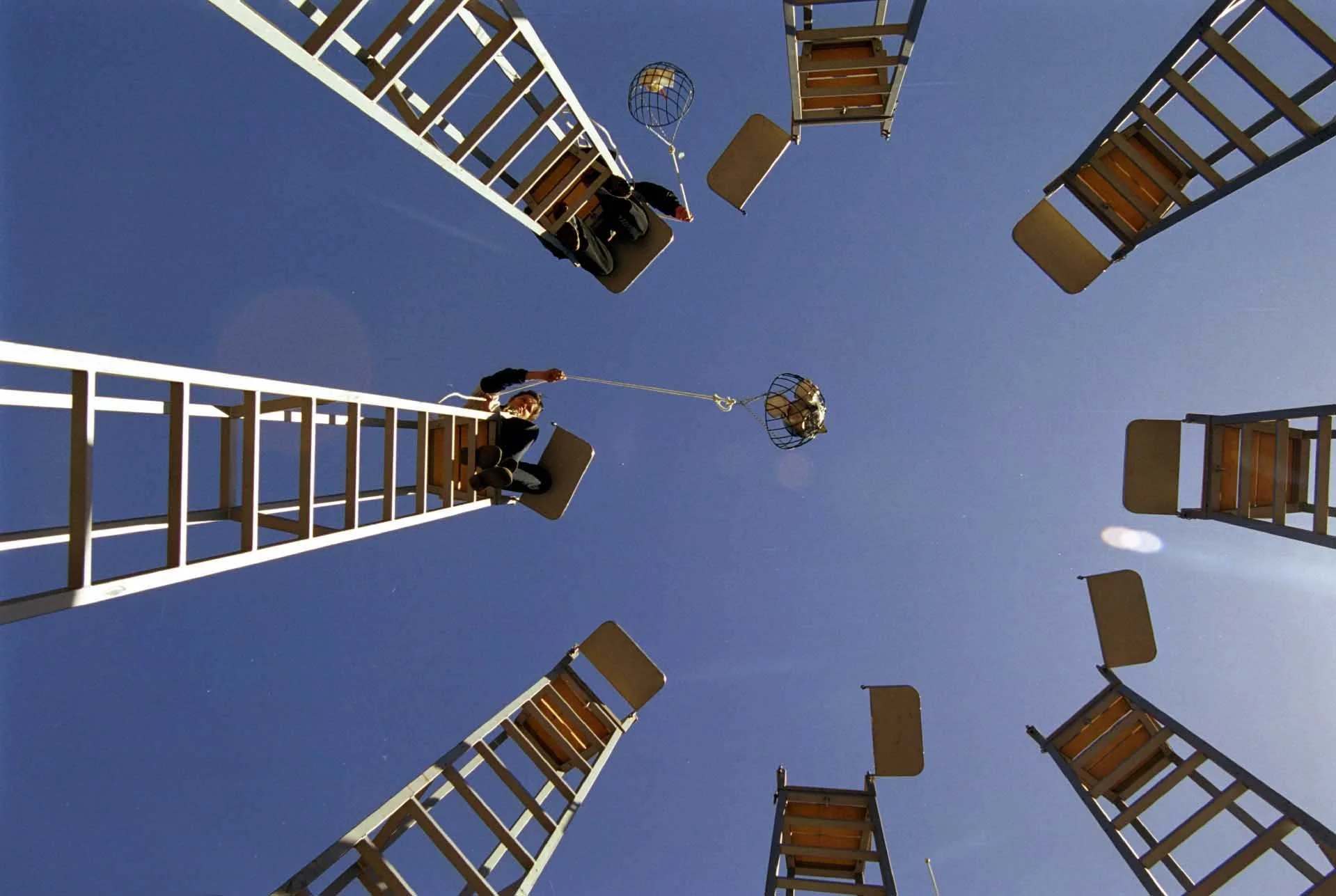
Selected Interventions / Archive




The Moonhouse
Conceived in 1999 and realised in 2025, The Moonhouse extends Mikael Genberg’s long-term practice of relocating domestic structures into unfamiliar environments.
On 6 June 2025, a miniature red cottage measuring approximately 8 × 10 × 12 cm was placed in Mare Frigoris on the lunar surface at coordinates 60.44°N, 4.6°W.
The work exists as a permanent lunar installation, an Earth-based aluminium counterpart, the STS-128 orbital artefact from 2009, and a complete archival record including Swedish governmental authorisation.